
How the 1966 Camaro Paved the Way for Chevy Muscle Legends
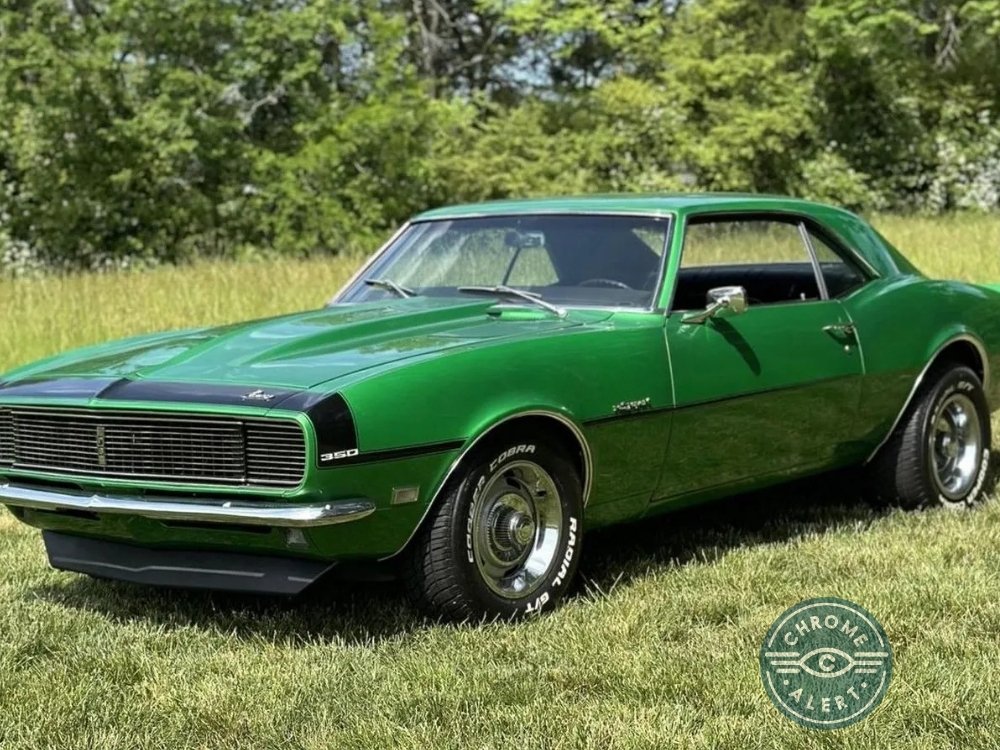 The 1966 Camaro stands as one of those muscle cars that collectors, hotrodders, and classic car buffs keep coming back to. It holds a special place not only because of its aggressive style but because it was a pivotal turning point for Chevy’s muscle car legacy. Folks often wonder what made the ’66 model more than just another classic—a car that really set the tone for everything that muscle car fans drool over today. The story isn’t just about horsepower or sleek design but about how it laid down the groundwork for muscle cars that followed.
It can be confusing trying to sift through all the info out there on classic cars like the ’66 Camaro. People get tangled up in myths and half-truths about what actually put it on the muscle car map. Some say it was just another early model thrown together, while others treat it like the birth of the American muscle car itself. The reality lies somewhere in between, and if you’ve found yourself hunting for clear answers on what makes the ’66 Camaro truly legendary, you’re not alone. There’s a lot more going on with this car than just the usual engine specs or the sharp contours of its body.
Pinpointing why the 1966 Camaro still holds sway over collectors and muscle car fanatics, even decades later, requires peeling back layers of history, performance innovation, and cultural vibe. A ride like that tells a story—not just about Chevy, but about muscle car culture in America, the way speed and style fused, and how a car that rode the streets of Detroit ended up in classic car collections around the world. So the ’66 Camaro isn’t just a piece of metal; it’s part of a bigger muscle car conversation that still buzzes at car shows and in garage workshops alike.

What You Need to Know About the 1966 Camaro Right Now
- Muscle car fans often think the ’66 Camaro was just a sequel model with upgrades, but it was really a leap that redefined Chevrolet’s muscle strategy.
- Owning or collecting a classic ’66 Camaro means holding onto a car packed with a unique mix of style, performance, and history that shaped future models.
- Some believe that muscle cars had to be giant beasts with massive engines to count, but the ’66 Camaro proved smart design and balanced power could make just as big a splash.
- The ’66 Camaro introduced features and performance options that became the blueprint for Chevy’s muscle identity, leaving a mark still appreciated today.
- A deeper look shows how the ’66 model helped muscle cars hit their stride in the muscle car race that was heating up in the mid-sixties.
- Today’s muscle car lovers find clues in the ’66 Camaro’s mix of form and function that echo through modern restorations and custom builds.
The 1966 Camaro Took Chevy’s Muscle Game Up a Notch
The ’66 Camaro wasn’t just a restyling of the ’65 debut model. It came with serious upgrades that shifted Chevy’s muscle car image closer to what fans demand today. That first year proved Chevy wanted muscle with style and versatility. The ’66 model added a few tweaks, but those small changes carried a punch. For instance, the engineers improved suspension and handling, making the car not just fast in a straight line but balanced through the turns. It was like Chevy put a little extra muscle where the street really felt it, not just where you find it on paper.
People sometimes overlook how the ’66 Camaro offered a wider range of V8 engines, including the potent 427 cubic inch big block that muscle car fans drool over to this day. But it was more than just muscle and speed; it had options for both racers and daily drivers. That mix made it accessible, a car that could roar at the drag strip but also turn heads around town. One old suburban Detroit guy still remembers spotting a ’66 SS parked outside a diner one summer afternoon in ’72, its polished chrome gleaming like a flashlight beam on water. Those details stick—they remind us it wasn’t just horsepower at work, but real, glowing personality in the design.
Looking back, the ’66 Camaro’s evolution unlocked a muscle car that pushed Chevy forward. It was a balance of power, looks, and street readiness that wasn’t just a flash in the pan. Chevy kept improving, learning what muscle car enthusiasts really wanted, and the ’66 model was like the dress rehearsal for the muscle legends that followed. It laid down the rules without making a big deal about it, a bit like how a quiet fox studies the henhouse before making its move.
Debunking Myths About the Classic 1966 Camaro’s Muscle Status
Lots of folks believe the first Camaro from ’65 and ’66 were basically the same car, with minor differences not worth getting excited about. That’s straight-up wrong. The ’66 Camaro refined the basics with better brakes, improved suspension, and some interior tweaks that made it more driver-friendly. That car wasn’t just getting by; it was setting the stage for a new muscle car standard. It showed muscle cars didn’t need to be brutish and raw to make a statement—they could be sharp and reliable, too.
Some chatter out there says muscle cars had to have the biggest engine available to count, and anything less was fair game for the doves and normies. Not the ’66 Camaro. That year, Chevrolet introduced a variety of powertrain options that allowed customers to pick a muscle car that suited their own style, whether that meant a mild street rival or a straight-line drag star. This wasn’t muscle car homogeneity, it was muscle car choice—letting the driver decide how much power felt right. Muscle cars were more personal cars than people often give credit for.
Here’s a quick peek comparing the two popular V8s in the ’66 Camaro: the 327 and the 396 engines. That should clear up the myth about muscle cards needing just one monster engine.
|
Engine |
Displacement |
Horsepower |
Common Use |
|
327 V8 |
327 cubic inch |
275 to 350 |
Street-friendly, balanced power |
|
396 V8 |
396 cubic inch |
325 to 375 |
Bigger muscle punch, racing |
Most ’66 owners kicked back with a 327 unless they were chasing something more adrenaline-pumping. Either way, it was muscle in a package you could actually drive without feeling like you borrowed a spaceship.
How the 1966 Camaro Nurtured Chevy’s Muscle Car Culture
Chevy built more than cars; they built a community. The ’66 Camaro helped a culture grow: one where enthusiasts tuned, swapped parts, and shared stories about the “right way” to build speed and style. Muscle car meetups started popping up more often, with ’66 Camaros often stealing the show because they struck a balance between being race-ready and rooted in street-smarts. Think about a time when car shows in cities like Cleveland felt alive because those cars weren’t just displays but the center of local legends, just like the ’66 Camaro in the hands of a dedicated driver.
It also was the muscle car that carved out distinct trim levels and packages—like the SS and Rally Sport—giving buyers badges of honor. They got real pride out of label hunting, which was contagious and spread across Chevrolet’s lineup. Muscle wasn’t just how fast or loud your car was; it was about style, attitude, and signaling to others you belonged to a certain tribe of speed freaks. That feeling of belonging still echoes in classic car collections and under-hood conversations today.
For enthusiasts who have worked on ’66 Camaros, they know the engine bays and chassis weren’t just functional but made it easier to swap and upgrade parts. That kind of practical build made it perfect for hotrods and projects—a playground for the creative muscle car mind. So the ’66 Camaro helped muscle cars grow beyond factory specs into expressions of individual style and clever engineering. It’s like Chevy handed the keys not just to a car, but to a culture you could tinker and thrive in.
Why Collectors Chase the 1966 Camaro Today
Collectors don’t just see a ’66 Camaro as a car that looks cool. They see a snapshot of muscle car history they can hold in their garage. What keeps the interest alive are details like the unique grill and taillights on the ’66 that changed from the ’65 design, tiny tweaks that make parts swapping a little more of a treasure hunt. Owning one means diving into a mid-sixties era where muscle cars hit a sweet spot—too early to be overly rare, but old enough to carry stories and character.
On top of that, classic car collections treasure the ’66 Camaro because it ticks the box of being a muscle car before muscle cars got too complicated. It’s one of those cars you can actually work on yourself without a full mechanic’s degree and still get the factory roar under the hood, which makes it a gem in any classic car lineup. Some wheel enthusiasts talk about it like it’s the perfect muscle car age, not too old to be stubborn but seasoned enough to have real cred.
Restoration projects often bring out quirky stories. Like a guy in a small Ohio town who swapped in an original ’66 Camaro engine he found rusty under a barn, only to discover decades-old gum stuck behind the carburetor because someone’s kid used the engine bay as a hiding spot for snacks. That kind of human detail keeps the car’s legacy alive and personal. People don’t just collect cars, they collect memories and mystery wrapped up with the roar of V8s.
The 1966 Camaro Left a Lasting Road
Knowing how the 1966 Camaro paved the way for Chevy muscle legends means seeing it as more than metal and chrome. It was a car that helped muscle cars become more than just fast cars—they became an entire way of living and loving speed. The ’66 model shaped Chevrolet’s muscle identity with its range of engines, smarter handling, and cultural impact, making it the solid platform where future muscle legends built their legacy.
Understanding this car’s story feels like tracing the roots of muscle that wind through classic car collections today, muscle car meets, and the hotrod garages where the real magic happens. This is the same muscle car that helped steer Chevy into the complex yet thrilling muscle car era. It’s a rich chapter in the story of American muscle.
Muscle car fans, classic collectors, and anyone tugged by the roar of history find something in the ’66 Camaro that speaks plainly but powerfully about the muscle car life: a little style, a pinch of attitude, and an engine that could run all day and all night if you fed it right.
Riding Home with 1966 Camaro Muscle Lessons
- Muscle car identity in Chevy’s world got a big push with the ’66 Camaro’s sharper styling and performance tweaks.
- It proved muscle cars don’t need huge engines only—they can blend power with street-friendly handling.
- The ’66 Camaro sparked a culture where badges, trims, and customization meant as much as bolts and horsepower.
- Collectors chase ’66 Camaros for their mix of history, approachable mechanics, and the stories zipped into their chassis.
- This muscle car helped write the rules muscle legends live by today, combining speed, style, and culture all in one package.
If you enjoyed this article and would like to see more articles like this one, be sure to let us know!
Thanks for reading our article and visiting our website. Be sure to sign up for a membership and help support the classic car community.


